Seven Other Ways
Updated: Oct 8

We MUST get this idea out of our heads that yoga = movement.
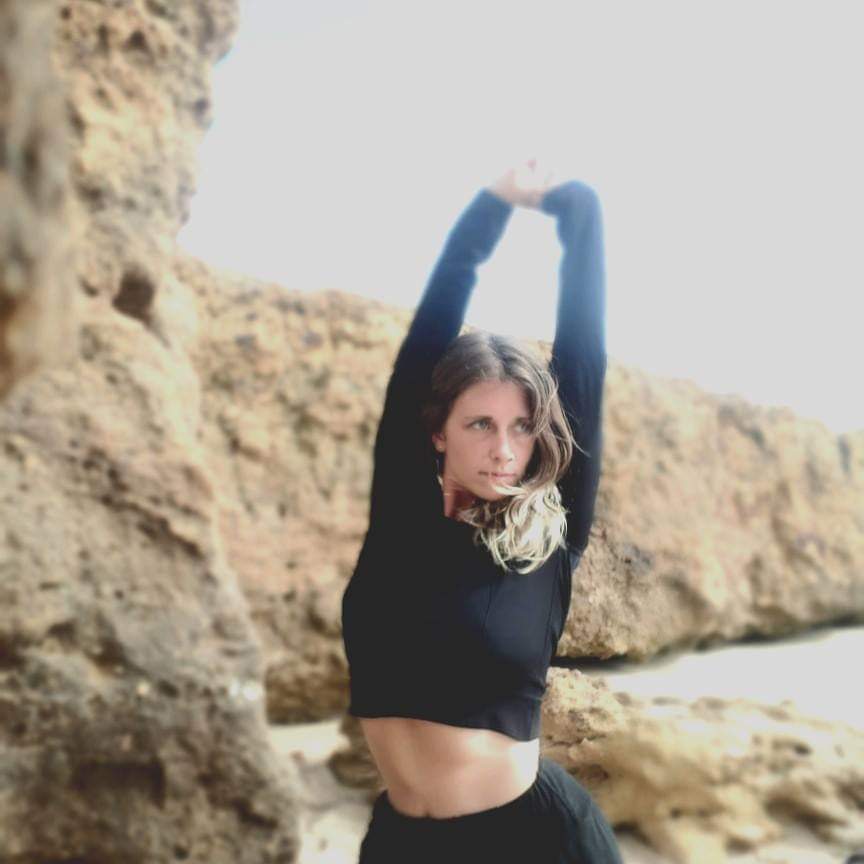
That the more advanced the asana you can do, the “better” you are at yoga. Or, worse, that what you wear or how you look while practising has to fit some kind of yoga stereotype.
No wonder so many people don’t even set foot inside a yoga studio.
It can feel incredibly off-putting.
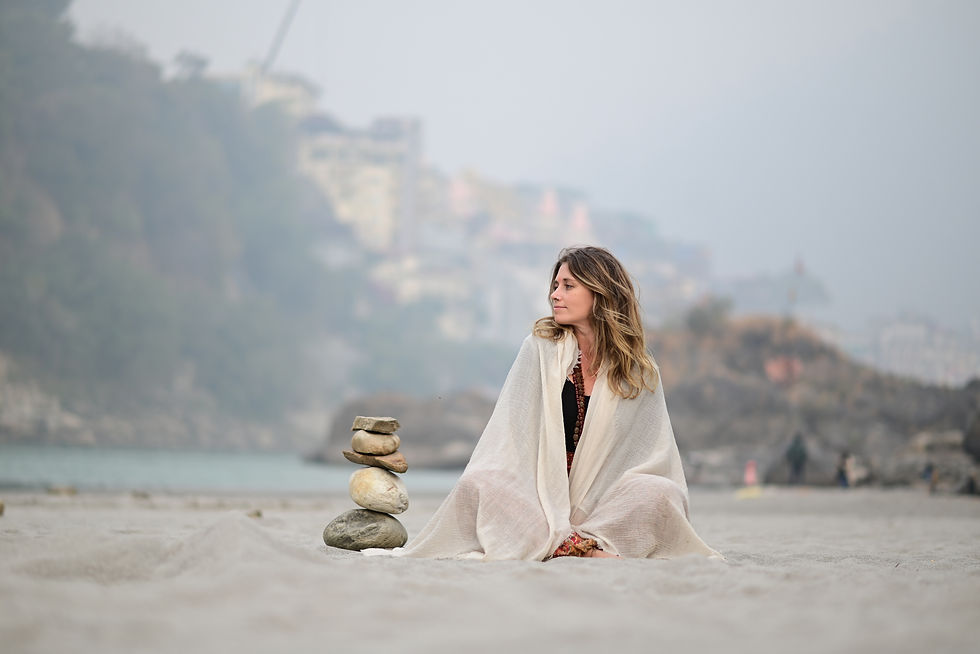
Every teacher training or yoga course I’ve attended was taught by Indian teachers, in an ashram, wearing traditional kurtas and loose-fitting trousers. There were no crop tops or tiny leggings in sight. In fact it was discouraged in favour of soft organic, flowing material.
Around half of our time was spent learning asana.
The other half was spent exploring the seven other ways yoga can be understood and practised, philosophy, meditation, pranayama, ethics, self-study, devotion and so much more.
Because yoga was never meant to be a competition. With yourself or others. There is no superiority or inferiority in yoga.
It is a deeply specific and detailed path of coming home to ourselves. Of remembering who we are beneath all the noise, conditioning and stories we carry and remembering that we are already enough.
Meeting ourselves as we are in that moment.
Acceptance.
Read that again. ^
This makes it even more ridiculous and frustrating that the modern yoga industry can feel so exclusive.
I know so many incredible teachers who are changing the script, and I will continue to do my little bit too.
To share the whole picture of yoga in my classes. To make space for the parts that go beyond the physical. To talk about the things that perhaps don’t fit neatly into what the industry tells us will “sell”.
Because yoga is so much bigger than a pose.
It is not something we do.
It is a way of being.
And it belongs to all of us.
Rant over.


Comments